
372 words · auto-generated from the episode video
39:35actively right now for NASA that literally supports this mission. >> Yeah. And we don't have 2.3% of GDP >> going towards this. going towards this, right? >> This is very different. So, so the analogy is imagine you're a sports a sports team. You're an owner of a sports team and you have to compete with like a program the program from the past when you had $10 billion and now you have 500 million. Like you can't recruit the best Yeah. for $500 million. And so anyway, yeah. So, so that's there's a risk mitigation strategy here, right? But during that high Earth orbit, what they're going to do is they're going to check out everything that's happening at
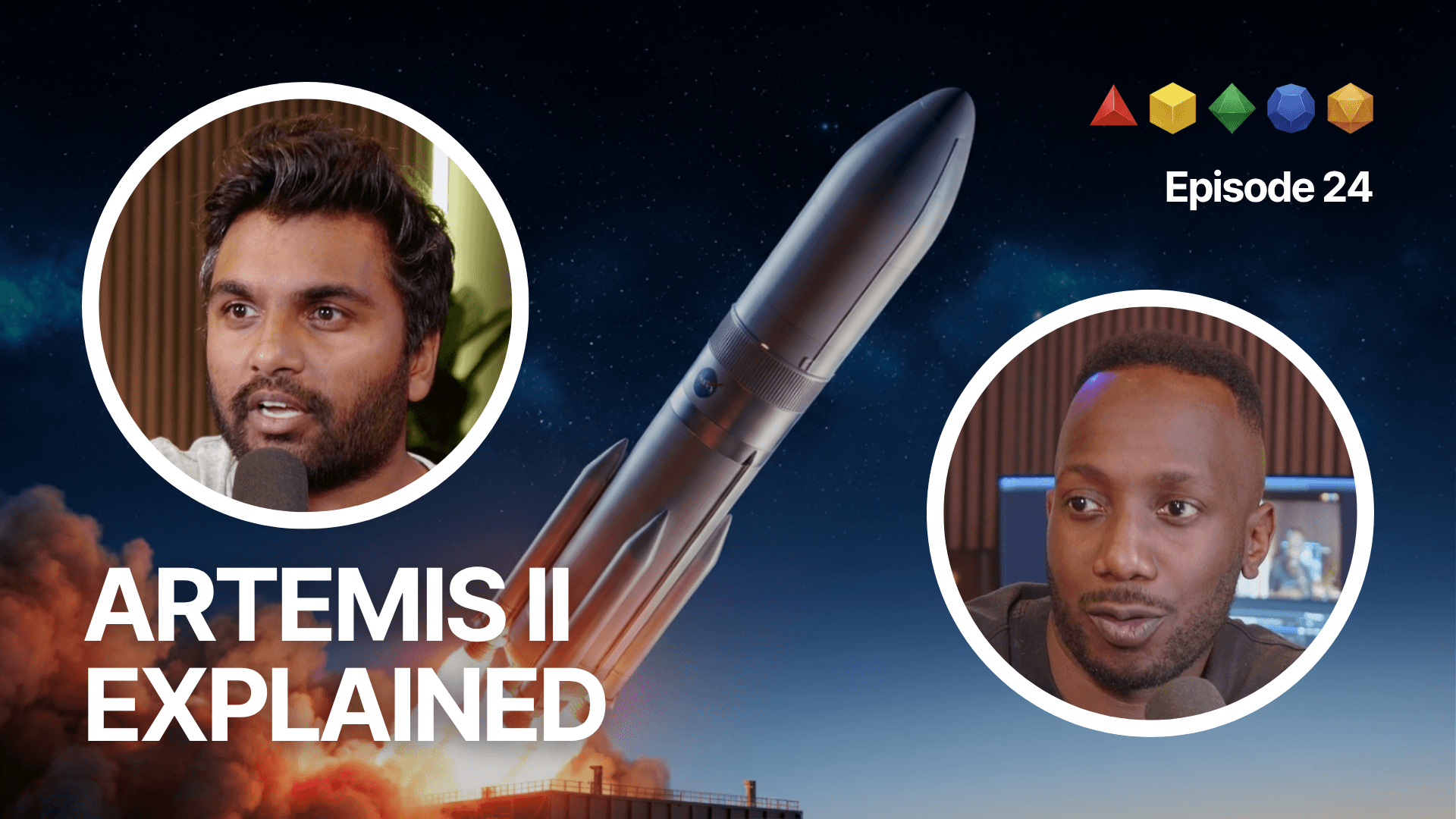
40:15this very top. >> Okay. One of the things that they're going to do is manually fly Orion. Orion is this upper part right here. >> Yes. >> Right. What they're going to do is detach that from the rest of the spaceship. And they're going to just do maneuvering. They're going to get out. They're going to turn it around. They're going to approach. They're going to go back. They're going to have this thing autonomously move. And then they're going to have it go back and forth. What you want to do is really nitty-gritty get into the details of are all of the controls working right? Like when when I when I when I move this joystick this way, is it responding the way that I wanted to? >> All of these things Apollo was already doing with Gemini and things like that,
40:56they had separate missions. >> This were all doing in one. >> That's a really important distinction. And also the way you describe that too, it's kind of crazy. Oh yeah, we're just going to fly up. We're just going to detach and then it's just going to, you know, move around and then eventually it'll come. Like that's pretty >> It's pretty insane. >> That's pretty insane. >> And it's even more insane that we did it like 50 years ago. >> Yeah. >> I mean, with a lot more money, but still >> also true. >> Very, very cool. Um, and then finally,