
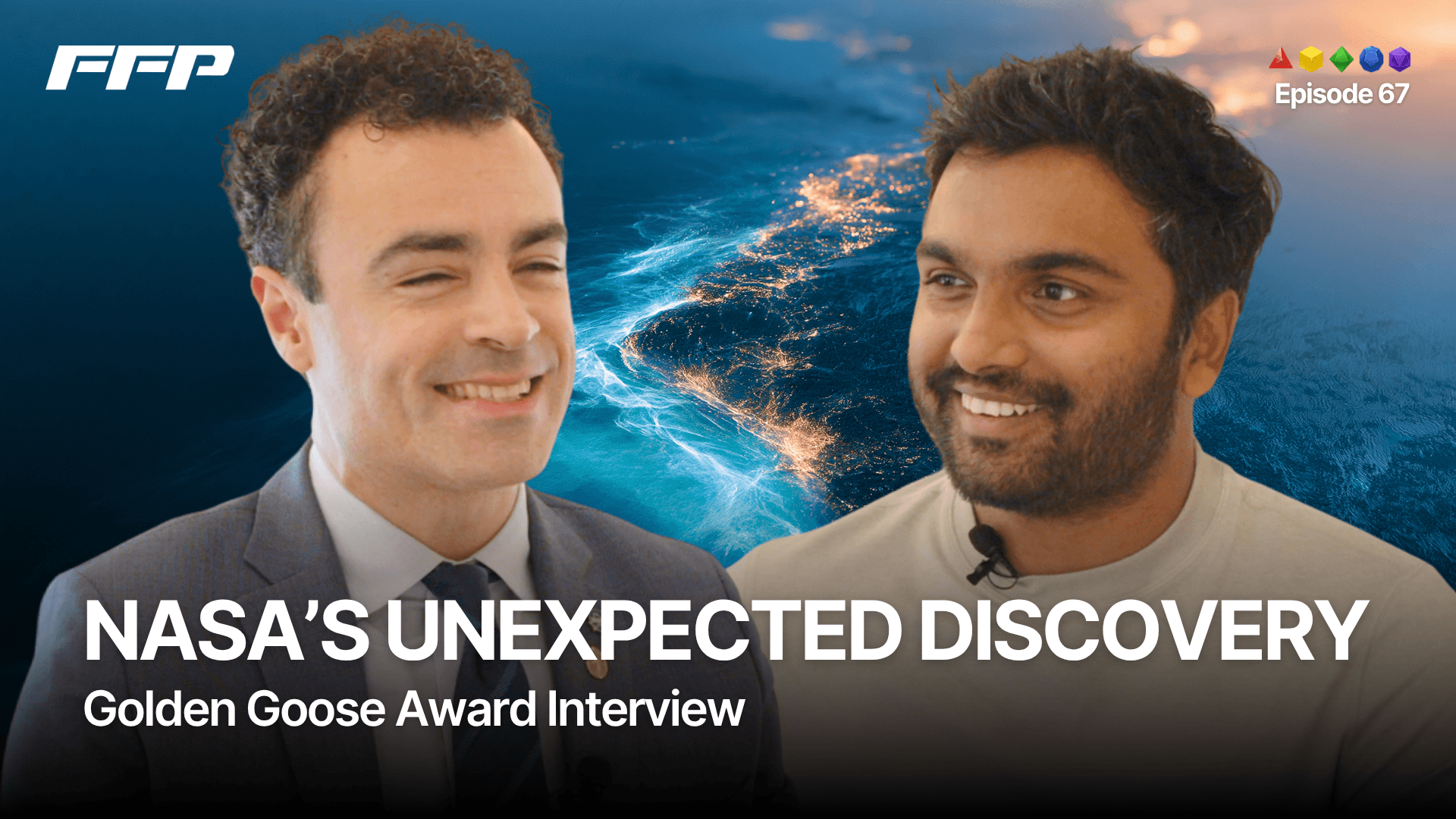
Román describes how the Black Marble night-lights effort grew from a small team into a broader research program. Bringing in urban scientists and application specialists let the team move beyond land-cover maps to studying the function of places, since a building's lights being on or off reveals activity that daytime imagery cannot show. The team stayed cautious about overclaiming, treating night lights as a useful proxy rather than a direct substitute for measures like total electricity use, and expanded into areas such as light pollution, disaster response, wildlife preservation, and emergency resilience. Eight years after the initial discovery, NASA leadership pushed the team to make the data fully open, after which most of the research using it began coming from outside organizations rather than NASA itself.
- 01
The team was only four or five people by the time it covered disaster response, light pollution, wildlife preservation, and emergency preparedness.
- 02
Some team members came from urban studies backgrounds, including people with degrees from Yale focused on urbanization as a process.
- 03
NASA's role shifted after opening the data: it now focuses on preserving data integrity while outside groups produce most of the research.
538 words · auto-generated from the episode video
8:32>> Yeah. So, how do you transition from like okay there's like random people doing calibration to now like there's you get like a a consortium of of scientists and your you and your colleagues who are now being recognized for the Golden Goose Awards. like how do you how do you how do you start convincing um you know people that this is something that's worth full-time scientists to work on? >> Yes, we were very blessed with a very multi-talented team that brought unique skills and different questions to to our group because if it weren't for me we will be just focusing on data filter.
9:13To me, the most important job of a NASA scientist is to create highly pristine science measurements of the Earth system. And and at the time, this has changed a lot, but at the time we would just generate the gold standard product, throw order the defense, and allow the science community to ask those questions. So in a way years later we we then evolve as an agency as an organization and now NASA scientists are doing a lot of work that crosses this boundaries crosses the boundaries around nature technology and society. >> So in a way we were pioneers
9:54>> in that new mindset of developing our science to action >> and we brought urban scientists to our team very early. Okay, cool. >> We brought people who were who had degrees from Yale in you know understanding urbanization as a process >> and instead of giving them maps of land cover to show where are the cities and where are the non-urban areas now they had something that helped describe the function >> of these places cuz you can see a building if the lights are off the building is still there during the day and so this gave a lot of um versatility ility to how what kind of questions you
10:34can ask from an urban development from an infrastructure point of view that we would never be able to do before unless you had a lot of in money to kind of literally manually count buildings and how much energy they use and everything. And we understood that we had to be careful about what we were really seeing. We've seen lights at night and yes, it's been used as a proxy of many different things, but we were always very casual in approaching that with integrity like we weren't overselling the capability and saying this is a good way to replace estimates of total electricity, >> right? >> No. >> Yeah. >> No, this is a piece that gives you better insights globally, geographically.
11:16And I think the part that we began to coales was when we hired someone who was entirely focused on apply science and that's where the community became broader because we were doing things like light pollution so monitoring dark skies but we were also doing disaster response. So we were covering the entire gamut of energy conservation, wildlife preservation, and then emergency preparedness, resilience, and all these things. And we by then we were just a team of four or five people. >> Yeah, that's that's pretty incredible.
Remote SensingEarth ObservationEnergy AccessOpen Data